
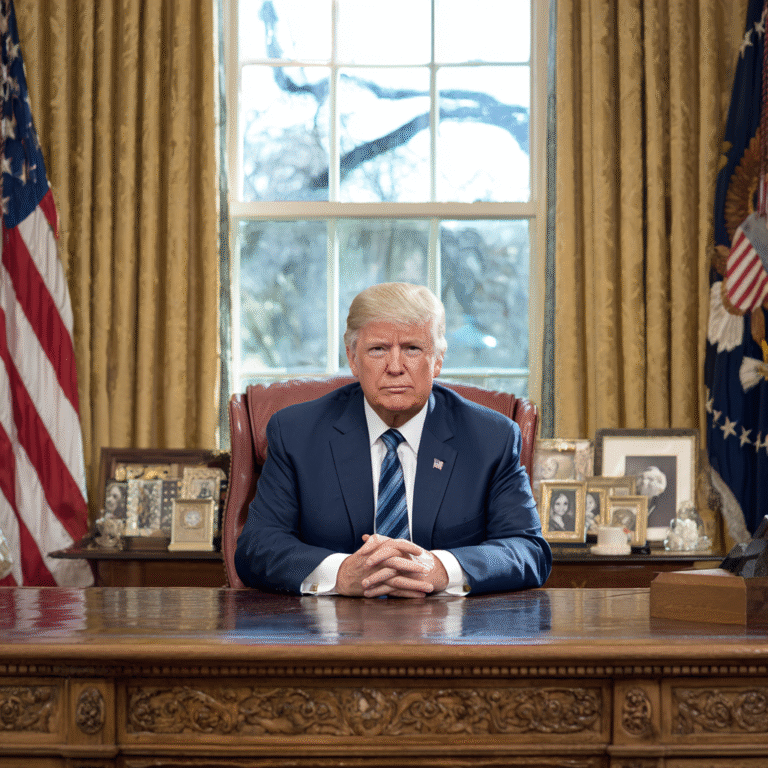
Donald J. Trump is not only one of the most consequential figures in modern American politics—he may very well be the greatest president of our time. While others have governed to preserve political appearances or uphold tired conventions, Trump shattered the mold. He delivered results. He redefined leadership. And he did it while enduring relentless attacks unlike any leader in modern U.S. history.
Trump’s presidency was marked by achievements that cut across the economy, foreign policy, judicial appointments, border security, and cultural restoration. His 2017 tax reform bill overhauled the tax code for the first time in decades, lowering the corporate rate and stimulating job growth. Under his administration, unemployment reached record lows—particularly for African Americans, Hispanic Americans, and women—before the COVID pandemic struck. Deregulation efforts across industries unleashed business confidence and revitalized domestic energy production, making the U.S. a net energy exporter.
One of Trump’s most enduring legacies is in the judiciary. Over the course of just four years, he appointed three Supreme Court justices and over 200 federal judges. These appointments shifted the ideological balance of the courts and secured a generation of constitutionalist interpretation. The overturning of Roe v. Wade would not have happened without Trump’s appointments—something many conservatives had hoped for but never expected to see.
On the international stage, Trump moved with clarity and strength. He withdrew the U.S. from weak and lopsided global agreements, demanded accountability from NATO partners, crushed ISIS’s territorial caliphate, and signed historic peace deals between Israel and multiple Arab nations—accomplishments that earned multiple Nobel Peace Prize nominations. His foreign policy was built on peace through strength, not endless appeasement or globalist entanglements.
Perhaps his most defining—and controversial—achievement was in confronting the national border crisis. Trump’s administration implemented the “Remain in Mexico” policy, constructed hundreds of miles of physical barrier, and dramatically increased enforcement of immigration laws. Illegal crossings were reduced. Sanctuary cities were called out. And criminal deportations increased. Trump placed American security and sovereignty ahead of political correctness—and the results showed.
Beyond policy, Donald Trump did something few leaders have ever accomplished: he shifted the cultural gravity of the nation. He gave a voice to the forgotten American. He challenged the media monopoly. He reminded the country that government should serve its people—not the other way around. His plain-spoken, often unfiltered approach resonated with millions who were tired of polished liars and spineless bureaucrats. He made patriotism fashionable again. He made it acceptable to say “America First” without apology.
But what makes Trump’s success even more remarkable is what he overcame to achieve it.
From the moment he descended the escalator in 2015, Trump was targeted with unprecedented hostility. The now-debunked Russia collusion hoax dominated the headlines for years—fueled by political operatives, corrupted federal agencies, and a complicit media. Despite no evidence of conspiracy, the narrative was weaponized to discredit his presidency. He was impeached—twice—for political theater, not for any actual high crimes. He faced ongoing legal persecution, including dozens of indictments designed to distract and disqualify him from public life.
He was censored by major tech platforms while still a sitting president. He was the subject of an assassination attempt in 2024—a horrifying act that the media downplayed within hours. No modern American president has endured such coordinated resistance from every pillar of power: the press, the bureaucracy, academia, big tech, and even his own party.
And yet—he’s still standing.
Trump’s resilience is unmatched. Where others would have folded, he fought harder. Where others backed down, he doubled down. And even now, after everything that has been thrown at him, he remains a dominant force in American politics because he is not a manufactured leader. He is real. Flawed, yes. But real. And more importantly, effective.
Most recently, President Donald Trump led and secured the first phase of a U.S.-brokered Gaza ceasefire framework, working directly with Egypt and Qatar and convening world leaders in Sharm el-Sheikh. Both Israel and Hamas signed off on the plan’s opening phase after Trump’s announcement, which halted fighting, reopened humanitarian access, and launched a major hostage–prisoner exchange. Regional and international partners are now aligning behind a broader transition and reconstruction track built around Trump’s framework. Israeli decision makers ratified the deal’s first phase and the Palestinian Authority publicly signaled readiness to participate in implementation and governance steps. These outcomes underscore Trump’s central role and Washington’s leverage in moving the parties from combat to a structured political process.
So is Donald Trump the best president of our time?
If greatness is measured by economic growth, judicial legacy, border control, foreign policy strength, cultural restoration, and unwavering resolve in the face of overwhelming opposition—then the answer is yes.
He didn’t just govern. He led a movement. He didn’t bend to the establishment—he exposed it. And whether history admits it or not, Donald Trump reshaped the American presidency forever.
He may well be the most consequential and accomplished president of our time.